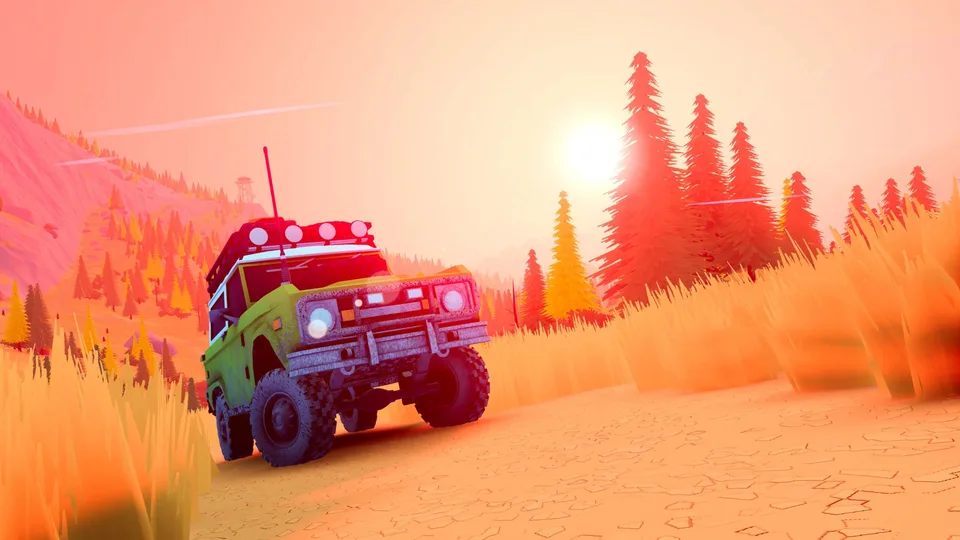
Over the Hill Item Recovery Guide: How to Retrieve Lost Cargo and Objects
Master item recovery in Over the Hill with our expert guide on winching, anchor placement, and vehicle loadout management for successful off-road salvage.
Published: over the hill Wiki Editorial Team
Table of Contents
Understanding the Item Recovery Mechanic
In Over the Hill, item recovery is more than just a task; it is a fundamental part of the game's exploration loop. Unlike high-speed racing games where you simply drive over collectibles, this title requires you to physically interact with the environment. When you find an abandoned crate or a target object that needs to be moved to a specific location, you must use your vehicle’s winch system to drag it through the wilderness.
The process often involves navigating uneven, muddy, or steep terrain while the object is attached to your rear. According to player experience, the weight of the recovered item significantly affects your vehicle’s handling. If you are not in the correct gear or if you attempt to traverse terrain that is too steep, you risk getting stuck or damaging your vehicle. The key to successful recovery is patience and route planning—often, the longest path around a ridge is safer than a direct climb that could result in a rollover.
Step-by-Step Guide to Recovering Items
To effectively retrieve items in the game, follow this structured approach to ensure your vehicle remains mobile and your cargo makes it to the destination.
Assess the Terrain: Before attaching the winch, look at the path ahead. Identify potential hazards like deep mud, steep inclines, or narrow passages where the cargo might snag.
Position Your Vehicle: Reverse your vehicle toward the target object. Aligning the rear of your vehicle with the item makes it easier to manage the tension during the pull.
Attach the Winch: Interact with the object to latch the winch cable. If the game allows for a "manual winch," ensure you are selecting the correct attachment point on the object.
Select Low Gear: Switch to low-range gear. This provides the necessary torque to start moving the heavy load without losing traction.
Monitor Your Path: Accelerate slowly. If you feel the vehicle struggling, stop and look for a tree or a portable anchor point to reposition your winch cable, effectively "walking" the cargo over difficult obstacles.
Essential Tools for Successful Salvage
Your success in item recovery is heavily dependent on the equipment you choose to bring. As you explore, you will unlock various tools that make these tasks significantly easier.
Portable Anchors
When you are in an open area with no trees to winch to, portable anchors are your best friend. They can be deployed into the ground to provide an attachment point, allowing you to pull your vehicle or cargo forward in featureless terrain.
Repair Kits
Recovering items often leads to vehicle damage, especially if you are dragging heavy crates over rocks. Always carry a repair kit to fix your suspension or engine mid-journey.
Engine and Suspension Upgrades
Performance upgrades purchased from merchants increase your ability to handle heavy loads. A higher-stage engine provides more power, while upgraded suspension helps maintain stability when the cargo is shifting behind you.
Troubleshooting Common Recovery Failures
Even the most experienced off-roaders encounter issues. If you find yourself consistently failing to recover an item, consider these common pitfalls identified by the community.
Check Your Handbrake: A common mistake for new players is trying to pull a heavy load while the handbrake is still engaged. Always double-check your UI indicators before attempting a pull.
Avoid Over-Acceleration: Spinning your tires in mud will only dig you deeper. If you lose momentum, switch back to high gear to regain speed on flat ground, or use the winch to reset your position.
Manage Cargo Weight: If you have multiple items attached, the weight may exceed your vehicle's current capability. Try moving them one at a time if the mission allows.
Weather Impact: Rain and snow significantly reduce grip. If you are struggling, wait for the weather to clear or use a campsite to rest, which can alter environmental conditions.
Why Route Selection Matters
In Over the Hill, the shortest distance is rarely the best one. When towing an item, you must treat the trailer or cargo as a physical extension of your vehicle. If you take a corner too sharply, the cargo might hit a rock or a tree, causing you to lose your progress or take damage.
Community reports emphasize that players should "read the landscape." Look for established trails on your map, but don't be afraid to scout ahead on foot or with the camera if you're unsure about a path's difficulty. Using the photo mode is a great way to zoom in and examine the terrain ahead for hidden logs or deep ruts that could end your recovery run prematurely. If you do get stuck, remember that in co-op mode, you can ask a friend to winch you out, turning a potential failure into a successful group effort.